Insights & Musings: The Timeless Allure Of Black & White Fine Art Photography
In a world saturated with color, black & white photography remains a powerful, timeless medium that transcends trends and technology. Especially in fine art, where expression and emotion take precedence over realism, the decision to remove color is not a limitation—it’s a deliberate artistic choice, one that I make time and again. But when does black and white truly serve an image better than color? And why do so many fine art photographers return to it time and again?
Why Use Black & White in Fine Art Photography?
1. To Emphasize Emotion
Color can be a distraction. By stripping it away, you allow the viewer to focus more on facial expressions, gestures, and mood. In portraiture, for example, the lack of color can intensify feelings of intimacy, vulnerability, or strength.

2. To Highlight Composition and Contrast
Black and white photography draws attention to the bones of your image—lines, shapes, textures, light, and shadow. Without color to guide the eye, composition becomes paramount. Leading lines, symmetry, negative space, and tonal contrast can all shine in a monochromatic frame.

3. To Create a Sense of Timelessness
There’s a reason classic photography icons like Ansel Adams, Henri Cartier-Bresson, and Dorothea Lange worked primarily in black and white. It removes the image from a specific era, allowing it to feel more universal and enduring. This quality is often desirable in fine art, where timelessness elevates impact.
4. To Distill the Message
In fine art, photography is often used to convey a concept, not just a scene. Black and white can reduce visual noise and direct attention to the story or theme. Whether it’s exploring identity, decay, solitude, or strength, monochrome can strip an image down to its core message.
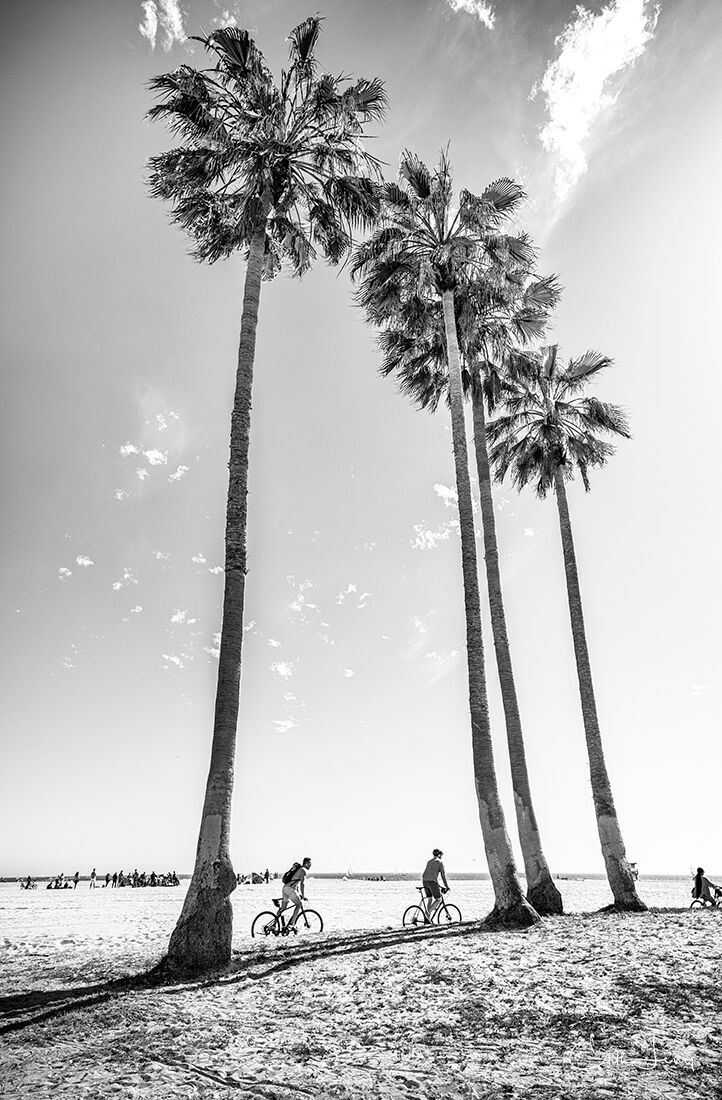
So these are attributes that both the art lover / collector and photographer value but if you're a photographer you may ask "when should I use B&W?"
1. When Color Adds Nothing
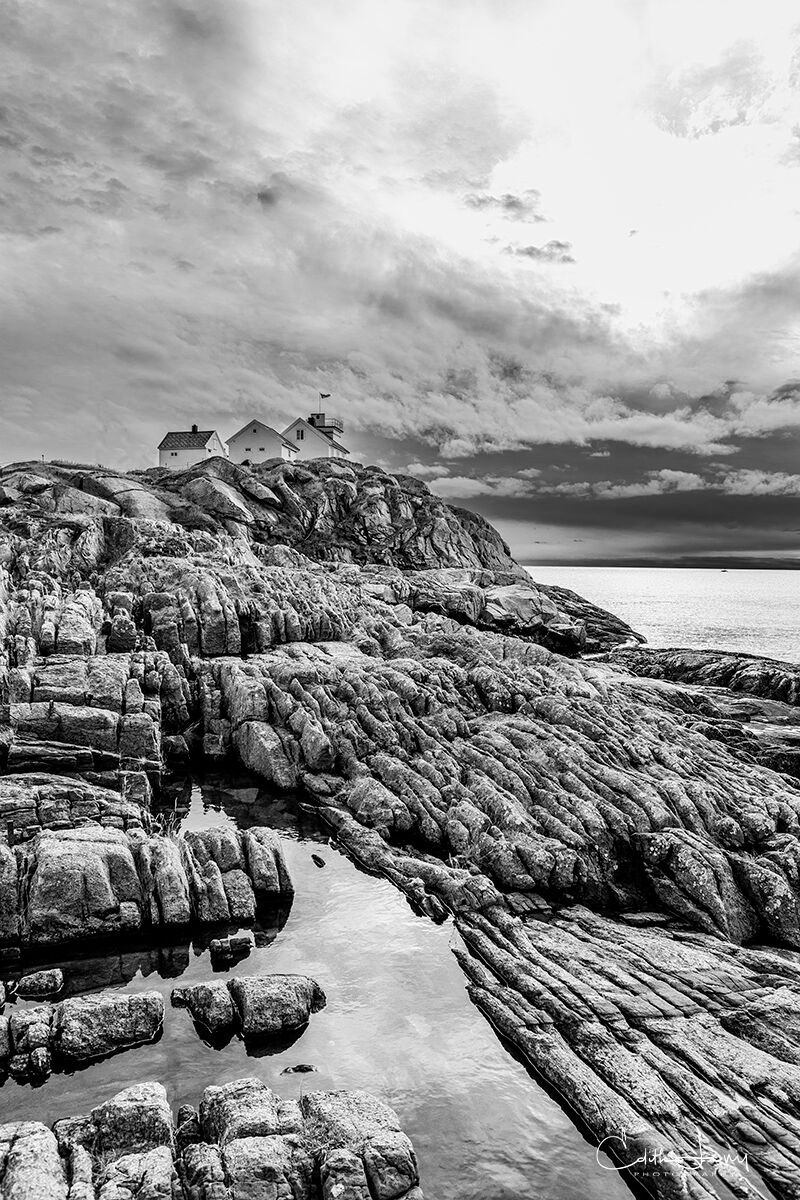
If the colors in a scene are flat, distracting, or clash with the emotion you’re trying to convey, black and white can elevate the image. A stormy landscape, for instance, might be more powerful with dramatic shadows and texture than with muted greens and blues.
2. When You Want to Experiment with Abstraction
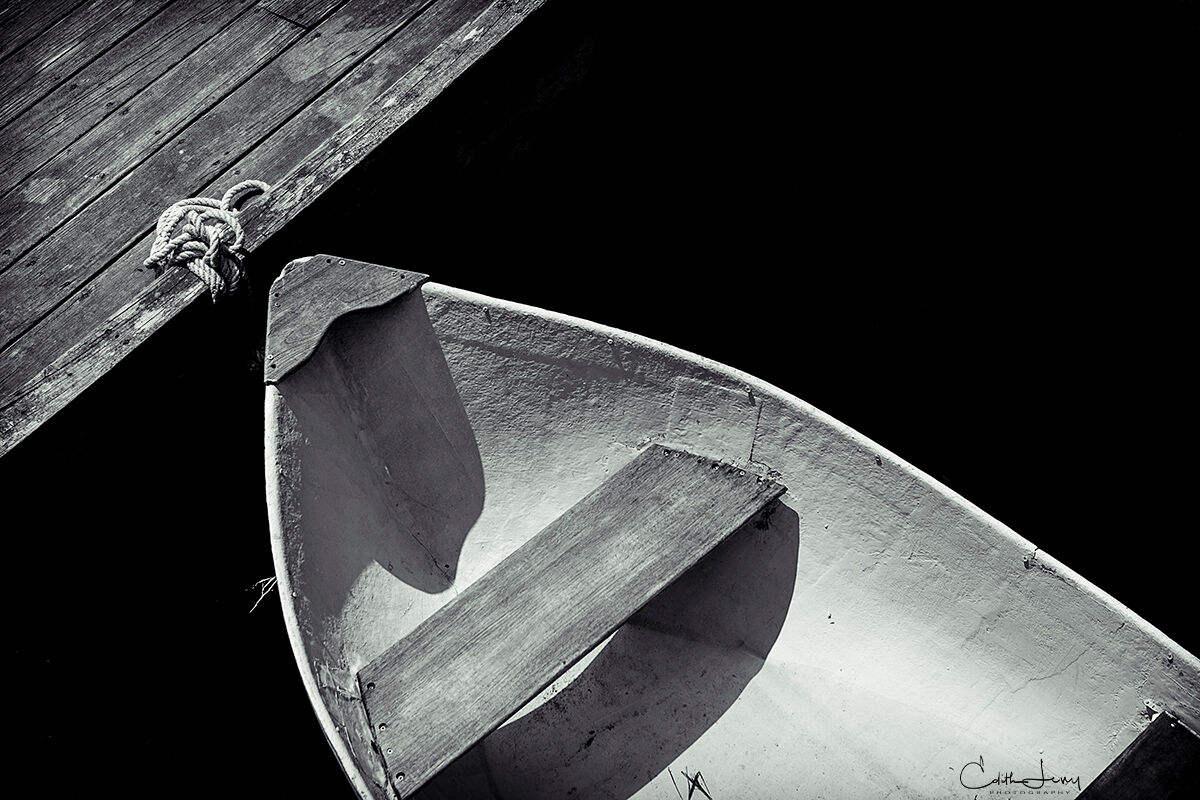
Architectural photography, macro shots, or minimalistic compositions often benefit from monochrome. Black and white helps abstract the subject from reality, inviting viewers to focus on form, pattern, and rhythm.

3. When Light Is the Star
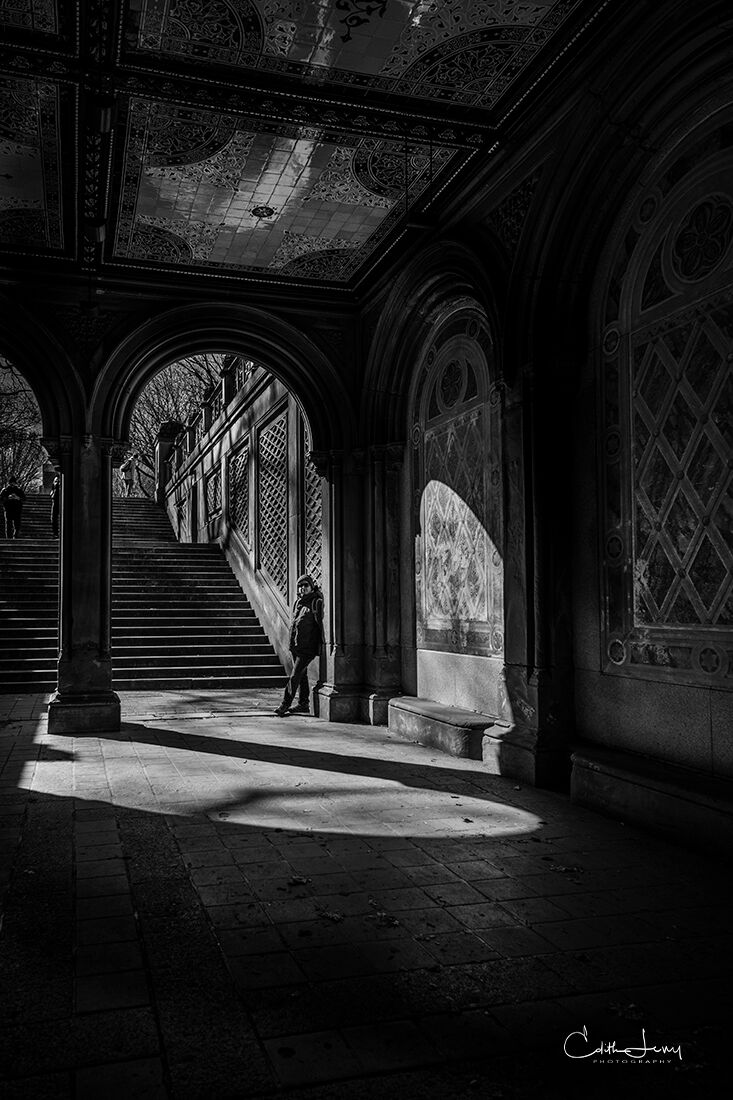
Strong lighting, especially high contrast light (like chiaroscuro), lends itself beautifully to black and white. Think of sun streaming through blinds or a single beam of light falling across a face—these moments are often more poignant in monochrome.
4. When Creating a Series or Exhibition
Black and white fine art photography isn’t just about removing color—it’s about revealing essence. It’s a tool for visionaries who want to focus on form, provoke emotion, or craft timeless, contemplative pieces. While color photography has its own powerful place, there are moments when the quiet strength of monochrome speaks louder.
So next time you raise your camera or sit down to edit, ask yourself: does color serve the image—or is it standing in the way of something more profound?
For a cohesive body of work, black and white can unify images shot at different times or locations. This visual consistency strengthens the overall narrative and presentation, especially in galleries or fine art portfolios.
Collectors often value B&W photography, not just for what it depicts but how it depicts it. B&W photography has emotional depth and introspection. In most cases it shows restraint by the artist and these qualities resonate with collectors.
So next time you raise your camera or sit down to edit, ask yourself: does color serve the image—or is it standing in the way of something more profound?
Please visit my Black & White Gallery for more images.